People Confused Flat Illustration for Creative Projects
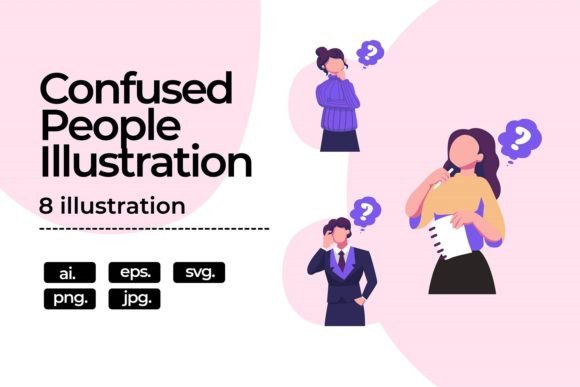
As a designer working on branding and marketing visuals for small businesses and handmade brands, I recently came across the People Confused Flat Illustration. This graphic design asset caught my attention with its expressive yet minimalist style. The product contains 8 illustrations of people confused in flat style, and it comes in multiple formats like EPS, AI, SVG, PNG, and JPG. It's a versatile illustration bundle that can support various creative needs from web design to print-on-demand products.
First Impressions and Visual Mood
The first thing I noticed about these illustrations is their emotional appeal. The characters are drawn with exaggerated expressions and body language that clearly communicate confusion. This makes them ideal for projects that need to convey a sense of bewilderment or surprise. The flat style gives the illustrations a clean, modern look that fits well within current design trends.
The visual elements feel friendly and approachable, which makes them suitable for a wide range of audiences. They would work particularly well for handmade businesses, Etsy shops, or local events where the goal is to connect with customers on an emotional level.
Real-World Application in Design Projects
I tested these illustrations in several real client scenarios. One was a packaging design for a new line of handmade candles. The confusion theme helped create a playful yet relatable message, suggesting that even the best products can have moments of uncertainty. Another project involved creating social media graphics for a boutique clothing brand. The illustrations added a touch of humor and personality to the content, increasing engagement.
These illustrations also worked well in website design as part of an infographic explaining a complex process. Their simplicity allowed them to blend seamlessly with text without overwhelming the viewer. They could be used effectively in editorial design, digital ads, Pinterest pins, and Instagram posts to add visual interest and storytelling.
Where These Illustrations Work Best
- Large Layout Areas: Hero graphics, product mockups, and decorative accents benefit from the expressive nature of these illustrations.
- Themed Collections: They fit well in campaign visuals, especially for seasonal or event-based designs.
- Printable Designs: From stickers to wall art, these illustrations can add a unique touch to any printable design.
- Social Media Posts: Their emotive quality helps create engaging content for platforms like Instagram and Pinterest.
- Brand Elements: As supporting visuals in brand identity, they help reinforce a consistent and memorable image.
Where to Use with Caution
- Small Sizes: The details might get lost when scaled down, so it's important to test them at different sizes.
- Crowded Layouts: These illustrations should not be overused in busy compositions where they might distract from the main message.
- Low-Contrast Backgrounds: Ensure there's enough contrast between the illustration and background to maintain readability.
- Minimalist Branding: If the overall design is very clean, these illustrations may clash with the intended aesthetic.
- Professional Corporate Materials: They may not be appropriate for high-end corporate presentations or formal documents.
Design Considerations Before Using Commercially
Before using this illustration for a client project, I recommend testing it in black and white to see how it holds up without color. Checking contrast on both light and dark backgrounds is essential to ensure visibility across different contexts.
Previewing the illustrations at both small and large sizes will help determine their adaptability. Placing them on real mockups, whether for t-shirt design, mug design, or tote bag design, can give a better idea of how they perform in commercial applications.
Reviewing file formats is crucial. Since the package includes SVG and PNG files, I checked the transparency in PNGs and the editability of SVGs. Testing print quality is also important if the design is intended for sublimation or other print-on-demand methods.
When placing these illustrations alongside different fonts—serif, sans serif, script, handwritten, or display fonts—it’s important to ensure they complement the typography rather than compete with it.
Finally, confirming the commercial license is vital before using them for a client or business project. This ensures that you're within legal boundaries and avoids potential issues down the line.
Final Thoughts on People Confused Flat Illustration
Overall, the People Confused Flat Illustration is a valuable addition to any designer's toolkit. Its versatility allows it to support a wide array of design projects, from brand identity to digital ads. While it may not be suitable for every scenario, it shines in creative contexts where emotional storytelling is key.
For small business owners, bloggers, marketers, and content creators looking for a fresh way to engage their audience, this design asset offers a great opportunity to add character and charm to their visual communication. Whether you're working on a Canva template, Cricut project, or a new product launch, these illustrations can bring your ideas to life in a fun and meaningful way.